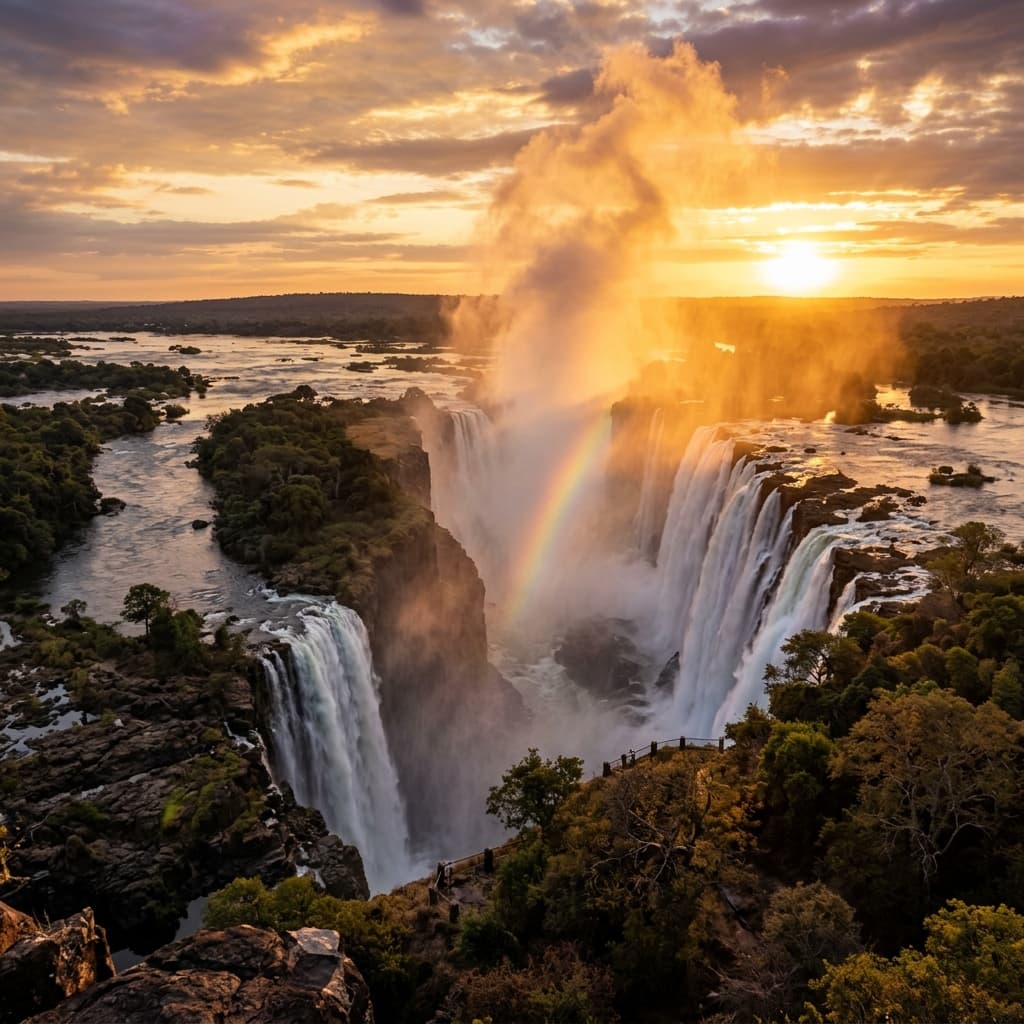
South Luangwa National Park
Valley of the Leopard & Birthplace of Walking Safaris
World-renowned as the birthplace of the walking safari, South Luangwa National Park covers 9,050 square kilometers of wild riverine woodland and open plains harboring Africa's densest leopard populations and immense herds of elephants and hippos.
Historical Background & Origins
Originally established as a game reserve in 1938 and converted into a national park in 1971, South Luangwa pioneered eco-tourism in Southern Africa. Conservationist Norman Carr introduced the concept of non-hunting walking safaris here in the 1950s, establishing a tradition of foot tracking in harmony with local tribes and wildlife.
Flora, Fauna & Habitat
The park hosts over 60 species of mammals and 400 bird species. It is famous for endemic subspecies found nowhere else on earth, including Crawshay's zebra and Thornicroft's giraffe, alongside massive elephant herds, African wild dogs, lions, and Luangwa River hippos.
Signature Activities & Experiences
What You Attain With Mekelani
Exclusive bookings at award-winning luxury bush camps, private 4x4 open safari vehicles, dedicated master trackers, and tailor-made photography itineraries.
Climate & Seasonal Notes
Dry season runs from May to October when water sources shrink, concentrating wildlife along the Luangwa River banks. The emerald/wet season (November to April) brings lush foliage and migratory birding.
Ready to Experience South Luangwa National Park?
Contact our expert local guides and consultants to tailor your itinerary, safaris, and logistics today.